
DC Prevention Center for Wards 5 & 6

Community Education & Prevention

The DC Prevention Center for Wards 5 & 6 is here to prevent substance use before it starts. We work with youth, families, and community members to build safe, healthy, and drug-free neighborhoods. 

Our Approach: 

  • Community education and awareness 
  • Leadership development and trainings 
  • Systems change through partnerships 

Our Vision: 

A healthy, drug-free District where all children are safe, supported, and connected to caring families and communities.
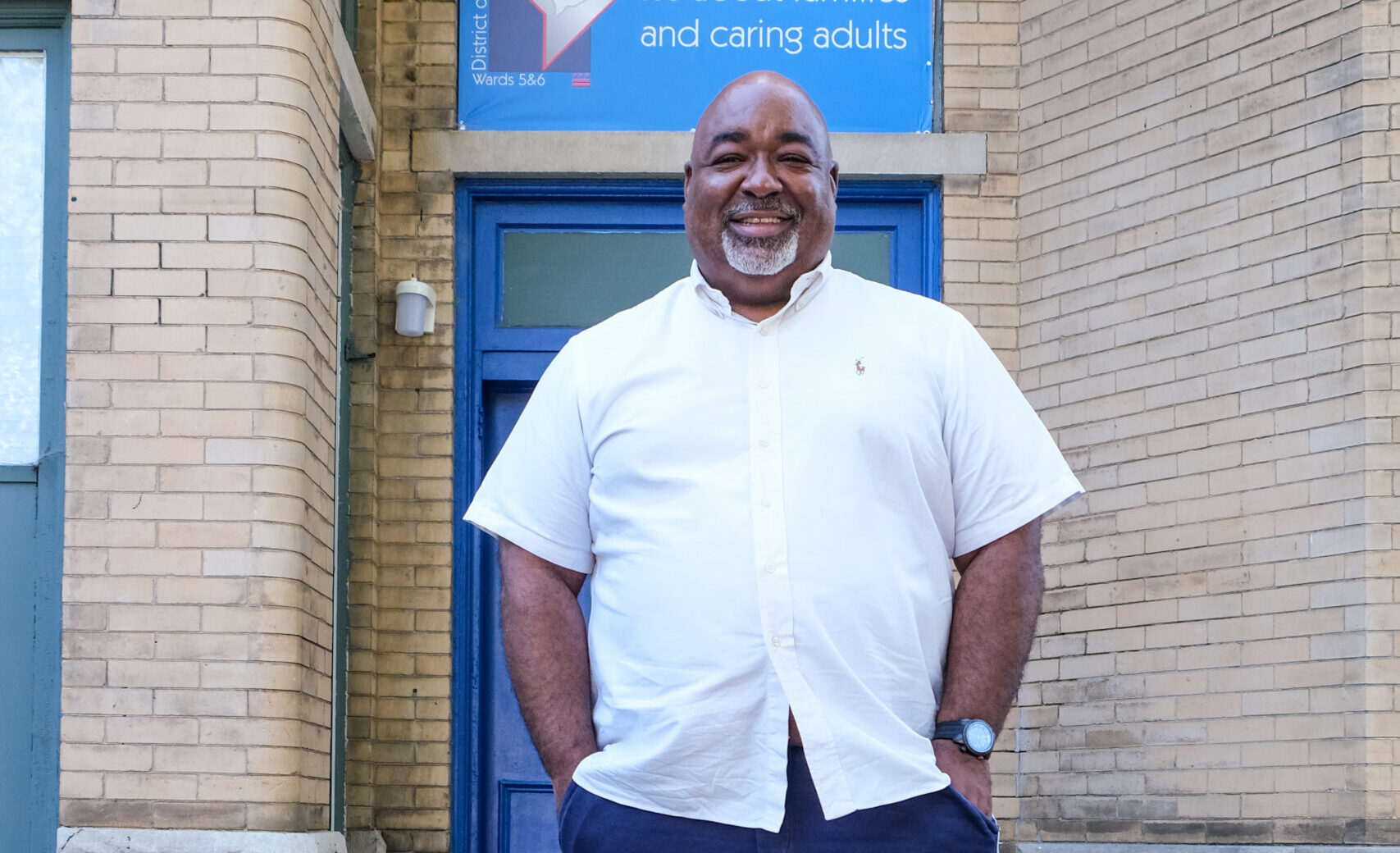
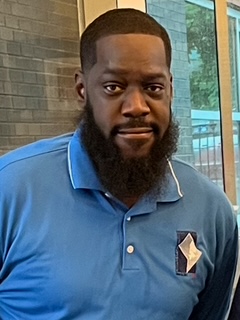
MEET THE TEAM

  • Fentanyl is involved in 94% of opioid-related deaths in D.C.  
  • In recent years, fentanyl-related deaths have outnumbered heroin and prescription opioid deaths combined.  
  • Even one pill, or one dose, can be fatal.   
  • Youth and young adults are at increasing risk, especially from counterfeit pills and street drugs.  
  • 72% of opioid related deaths were aged 40–69.  
  • Over 80% of overdose deaths were among African Americans in DC

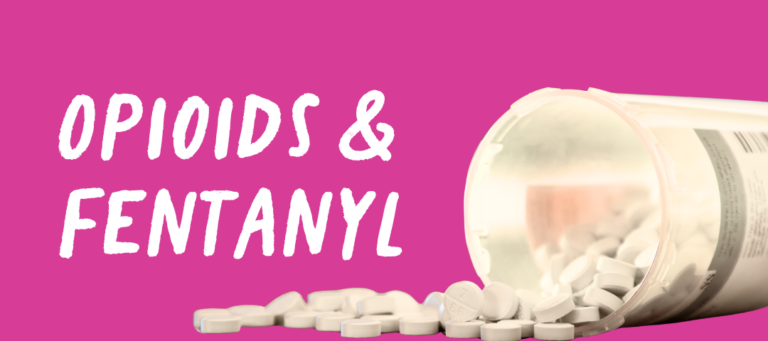
Opioids are strong medicines that help with pain. Some are legal (like from a doctor), others are illegal. 

Types:  

  • Prescription opioids:  like oxycodone, morphine, and codeine (used for pain) – They can be helpful if used right, but risky as they can be addictive and even deadly. 
  • Fentanyl: very potent, can be legal or illegal  
  • Heroin: illegal and very dangerous
  • High-Risk Opioid: Fentanyl can be legal (for severe pain), but street versions are often mixed into other drugs without people knowing.   
  • Fentanyl is 50x stronger than heroin and 100x stronger than morphine.    
  • How Dangerous? Just 2 milligrams (like a few grains of salt) can be deadly. It’s extremely addictive too.   
  • You can’t see It or smell it, you won’t know if fentanyl is in your drugs unless you test it.   
  • You can find more info on Live Long DC’s Fentanyl Fact Sheet. 

Not all drugs are opioids

Xylazine: Xylazine, or “tranq dope”, also known as the “zombie drug,” is an animal sedative. Even though it is not an opioid, it is cut into street drugs like fentanyl to stretch the high.

What are the effects of Xylazine?

  • Sedative Effects: Can cause drowsiness, unresponsiveness, low blood pressure, slow heart rate, and dangerously slow or stopped breathing.
  • Skin Damage: Regular use can cause severe wounds with dark, scaly, dead tissue that can be hard to heal and may lead to amputation.
  • Overdose Risk: Increases the chance of a fatal overdose.

You can find more info on Live Long DC’s Xylazine Fact Sheet.

For more information on these or other substances, check out the DEA’s Drug Fact Sheet.

  • Be empowered. Look out for yourself and each other. 
  • Only take what’s prescribed: Never take more than your doctor says, and only take meds that are yours. 
  • If you’re not sure about the pill, test it. Fentanyl test strips are available throughout the District for FREE. Text 888-811 for pick up/mail/delivery and treatment sites. 
  • Don’t mix with alcohol or other drugs: Mixing opioids with alcohol, sleeping pills, or other drugs can be deadly. 
  • Know the signs of overdose: Slow breathing, pale skin, can’t wake up. Call 911 right away if you see this. 
  • Carry naloxone (Narcan®): It’s a medicine that can reverse an overdose. You can save someone’s life. Not sure about how to administer Narcan?  
  • Naloxone is available throughout the District for FREE. Text LiveLongDC to 888-811 for pick up/mail/delivery and treatment sites. 
  • Never use alone: If you or someone is using, don’t do it alone, someone should be there to help if something goes wrong. 
  • Ask questions: Don’t be afraid to talk to a doctor, pharmacist, or trusted adult about how to stay safe. 

High or Overdose? Not Sure?

If the person is unresponsive treat it like an overdose. Better safe than sorry. You could save a life:

  • Got Naloxone? Use it. Spray or inject naloxone (Narcan) if you’ve got it. Then call 911 right away
  • Keep them awake + breathing
  • Talk to them
  • Shake them gently
  • Don’t let them pass out if you can help it
  • Turn them on their side: It helps stop choking in case they throw up
  • Don’t leave them alone. Stay with them. Wait until help gets there. They need you, and your calm energy
  • Worried about calling 911? Good Samaritan protections are in place in Washington, D.C. This means you’re protected if you call for help

Naloxone can reverse an overdose, fast. Naloxone is easy to use and is available at all 4 DC Prevention Centers (no Rx, no ID needed) throughout the District for FREE. Text LiveLongDC to 888-811 for pick up/mail/delivery and treatment sites. 

Step 1: Check for overdose signs. Common symptoms include: 

  • Not waking up 
  • Slow/no breathing 
  • Blue lips or nails.    


Step 2: Call 911 
Even if they wake up, they still need help (Good Samaritan laws protect you in most states, DC included!). 


Step 3: Spray the Narcan
 

  • Tilt head back 
  • Spray in 1 nostril 
  • Just 1 dose 


Step 4: Wait + Watch 
Still unresponsive after 2-3 mins? Give a 2nd dose in the other nostril. 


Step 5: Keep them safe
 

  • Lay them on their side (helps prevent choking) 
  • Keep them awake if you can 
  • Stay with them until help shows up. 
  • If you aren’t sure how to use Narcan, you can refer to this helpful video tutorial. 

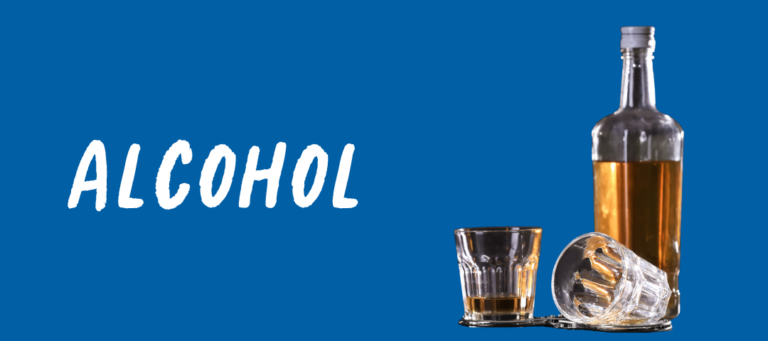
Alcohol is a drug. It can cause irreversible damage to every organ in your body. 

  • It takes a whole hour for your body to stop feeling the effects of just one drink. 
  • One drink can make you fail a breathalyzer test. 
  • Binge drinking (5+ drinks for men, 4+ for women) happens quickly — and people don’t always feel “drunk,” but the damage is the same. 
  • About half of all people who develop alcoholism are alcoholics by age 21, and two-thirds by age 25.

The majority of people do NOT drink: 70% of people ages 12–20 reported NOT drinking. 

Alcohol is a depressant, a “downer” that travels from your stomach straight into your blood, moving quickly to your brain and changing how it works. 

Types: 

  • Beer, wine, and spirits 
  • All are drugs, all are risky if misused

One drink equals: 

  • 12 oz beer 
  • 10 oz microbrew 
  • 4 oz wine 
  • 1.25 oz of 80-proof liquor 
  • 1 oz of 100-proof liquor

The Law: 

  • Must be 21+ to buy alcohol 
  • Legally drunk at 0.08 blood alcohol content (BAC) 
  • Irreversible damage to every organ 
  • Changes how the brain works 
  • Reduces attention and slows reaction speed 
  • Memory loss 
  • Loss of coordination and control 
  • Distorted vision and sensitivity to light 
  • May induce vomiting 
  • Coma or death 

For Young People: 

  • Weight gain, acne, feeling out of control 
  • Clumsy, slurred speech 
  • Risky sexual behavior, unwanted pregnancy 
  • Assaults and sexual assaults 
  • Problems in school and legal trouble 
  • Fines, loss of driving privileges, or car seizure 


For Older Adults:
 

  • Dangerous interactions with medications (blood pressure, diabetes, pain meds) 
  • Increased fall risk 
  • Damage happens faster as we age 
  • Only drink if you’re 21+ 
  • Never binge drink 
  • Don’t mix with other drugs or medications 
  • Eat before drinking 
  • Stay hydrated 
  • Know your limits 
  • Never drive after drinking
  • Drinking more than intended
  • Drinking alone regularly
  • Hiding drinking from family or friends
  • Memory loss or blackouts
  • Neglecting responsibilities
  • Relationship problems because of drinking
  • Legal troubles related to drinking
  • Continuing to drink despite health problems
  • Smoking just 1 joint equals smoking 5 whole tobacco cigarettes. 
  • Marijuana acts as a depressant and reduces your brain’s ability to learn and remember. 
  • THC (the drug in marijuana) stays in your body’s fat and hair, it shows up in urine tests up to 3 days after use, blood tests 2–4 weeks later, and hair tests even longer. 
  • Marijuana joints and blunts are often laced with crack cocaine and PCP; dangerous drugs that change how pot affects you without you knowing. Some people can use it once and feel nothing; others can die from one use.

The majority of youth do NOT use cannabis — most young people stay drug-free. 

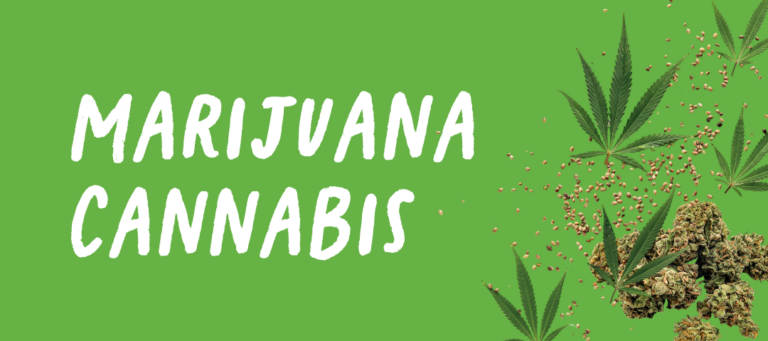
Cannabis contains THC (tetrahydrocannabinol), the drug that alters the mind and affects the brain. 

Forms: 

  • Smoking (joints, blunts, pipes) 
  • Vaping (cannabis vape pens) 
  • Edibles (brownies, gummies, food products) 
  • Concentrates (oils, wax, dabs) 


Modern cannabis is much more potent than in the past. Today’s cannabis has higher THC levels, making it more dangerous, especially for developing brains. 


Legal Status in DC: 

  • Adults 21+ can possess up to 2 oz 
  • Illegal for anyone under 21 to possess any amount 
  • Cannot use in public 
  • Cannot drive while high
  • Illegal to use on any Federal property

Brain & Learning: 

  • Reduces ability to learn and remember 
  • Damages brain structure in ways that may be irreversible 
  • Less successful in short-term memory, math, and verbal skills 
  • Trouble focusing and slow reactions 


Physical: 

  • Dry mouth and throat 
  • Increased heart rate 
  • Impaired coordination and balance (fall risk) 
  • Delayed puberty and maturation 


Mental Health: 

  • Anxiety and panic attacks 
  • Induced paranoia 
  • Psychological dependency 


Lungs & Immune: 

  • More chest colds, bronchitis, emphysema 
  • Persistent use damages lungs and airways, raising cancer risk 
  • Weakens immune system’s ability to fight disease 


Pregnancy: 

  • Small, unhealthy babies 
  • Delayed development 


  • Easy to hide (vape pens, edibles)
  • Flavors and “fun” forms (gummies, brownies)
  • Belief that it’s safer than alcohol or cigarettes (it’s not)
  • Peer pressure and social media normalization
  • Stress relief perception (it can actually increase anxiety)

Watch for:

  • Sweet or skunky smell
  • Vape pens that look like pens or USB drives
  • Edibles (brownies, gummies, cookies with unusual labels)
  • Red or glassy eyes
  • Changes in motivation or school performance
  • Withdrawn behavior
  • New friend groups with similar interests
  • Vapes contain as much or MORE nicotine than a whole pack of cigarettes. 
  • Nicotine releases dopamine and creates a “feel good” effect, it’s extremely addictive, especially for developing brains. 
  • Vapes are designed to be easy to hide, they look like pens, USB drives, or lipstick. 
  • One vape pod can contain as much nicotine as 200 cigarettes. 
  • Flavors are a top reason young people using vapes: mint, fruit, and dessert flavors make them appealing.

The majority of teens do NOT use vapes, most young people stay vape-free. 

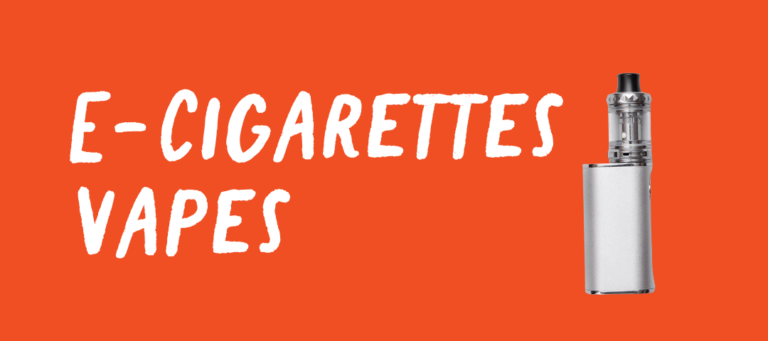
A vape is an e-cigarette that uses a battery and atomizer to heat liquid into vapor. 

Types: 

  • Disposable vapes: Pre-charged, pre-filled, come in flavors, throw-away 
  • Pod systems: Compact, portable, uses replaceable plastic pods 
  • Mods: Advanced devices with customizable power and larger vapor 
  • THC vapes: Cannabis pens designed to heat cannabis oil (increasingly popular) 


What’s Inside: 

  • Nicotine: highly addictive, affects developing brains 
  • Carcinogens (cancer-causing chemicals):formaldehyde, benzene, acrolein 
  • THC: if a cannabis vape 
  • Heavy metals: lead 
  • Ultrafine particles: lung-damaging 
  • Vitamin E acetate: linked to lung injury 
  • Other unknown chemicals 


Legal Info

  • Must be 21+ to buy vaping products
    Illegal for youth to possess or use

  • Sales are banned within 1/4 mile of middle or high schools

  • Vaping is prohibited in indoor public places (workplaces, restaurants, schools)

Why Vapes Appeal to Youth 

  • Easy to hide (look like everyday items) 
  • No strong smell (unlike smoking) 
  • Flavors make them taste good (mint, fruit, dessert) 
  • Discreet and portable 
  • Social media normalization 
  • Belief that they’re safer than cigarettes (they’re not) 
  • Friends are using them 

Brain & Focus: 

  • Brain development issues (vaping during teenage years causes lasting damage) 
  • Trouble focusing 
  • Impacts memory 
  • Nicotine addiction can happen quickly 


Lungs & Breathing: 

  • Coughing and throat irritation 
  • Lung damage 
  • “Popcorn lung” airways damaged, causing scarring 


Mental Health: 

  • Increased anxiety and depression (nicotine creates a cycle of dependency) 
  • Stress (vaping initially feels calming, but increases anxiety long-term) 


Physical: 

  • Headaches and dizziness 
  • Increased heart rate 
  • Potential long-term cancer risk 


Addiction: 

  • Highly addictive 
  • Nicotine changes the brain’s reward system 
  • Quitting is hard 

Myth: Vaping is safer than smoking. 
Fact: Vaping is NOT safe. It contains harmful chemicals causing lung damage (“popcorn lung”), cancer risk, and brain damage. 

Myth: It’s just flavor. 
Fact: Most contain nicotine. Some contain THC or other drugs. 

Myth: Vaping helps with stress and anxiety. 
Fact: Vaping actually increases stress and anxiety by creating a cycle of dependency and withdrawal. 

Myth: Vaping isn’t addictive. 
Fact: Vapes contain as much or more nicotine than cigarettes. They’re highly addictive and especially dangerous for developing brains. 

  • Protect your brain 
  • Stay focused on your goals 
  • Stay in control 
  • Avoid addiction 
  • Say no confidently 
  • Walk away 
  • Blame it on your goals 
  • Stay with supportive friends 
  • Your health matters 
  • Your future matters 
  • You have the power to choose 

WHERE CAN I GET HELP?

Be empowered. Choose right. Struggling with addiction, need help for a friend or family member, not sure? There are free resources available for you.

Campaigns and Resources

BE EMPOWERED. BE INFORMED.

For more resources go to livelongdc.org

DC Prevention Center Wards 5 & 6

Sasha Bruce Youthwork

701B Maryland Ave NE, Washington, DC 20002 

(202) 543-5796 

Mon–Fri, 10am–6pm 

cdark@sashabruce.org 

@dcpcwards5and6